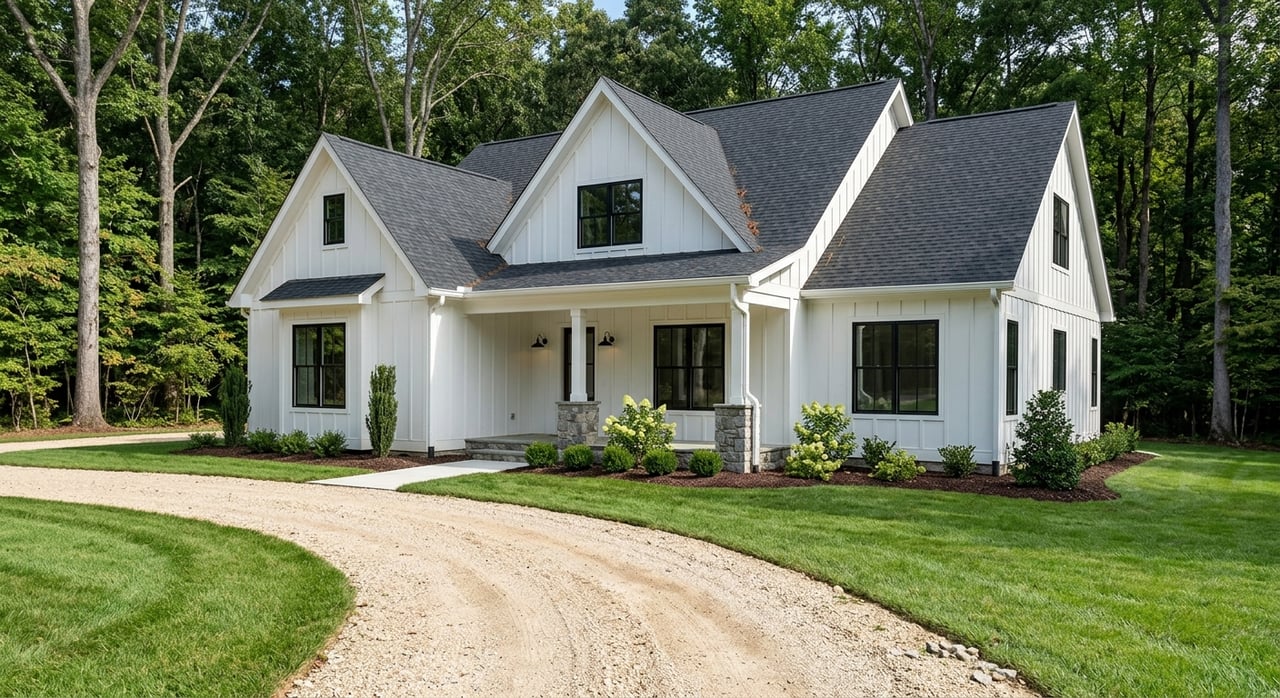
If you are buying acreage in Powhatan, you are not just shopping for a house or a piece of land. You are evaluating access, utilities, records, boundaries, and long-term costs that can affect how you use the property after closing. The good news is that with the right checks early on, you can move forward with far more confidence. Let’s dive in.
Why acreage buying is different in Powhatan
In Powhatan, acreage value is often shaped by more than the number of acres on paper. Road frontage, legal access, driveway approval, septic capacity, well documentation, parcel shape, and land-use status can all affect what a property is really worth to you.
That matters in a market where prices can vary widely. Recent data in the research report shows a county median sale price of about $500,000 in March 2026, a county median listing price of $619,900, and land listings that range from smaller lots around $175,000 to larger tracts listed near $1 million. In other words, two properties with similar acreage can have very different real-world value.
Start with parcel research
Before you fall in love with a property, confirm the basics through Powhatan County’s GIS Parcel Viewer. The county identifies this as the official public tool for parcel, zoning, and map research, and it can help you compare the listing details to the parcel you are actually considering.
This step is important because acreage can look straightforward online while the underlying parcel tells a more detailed story. You want to see whether the boundaries, address, zoning, and land-use information line up with your plans before you spend time and money on deeper due diligence.
What to confirm early
- Parcel boundaries
- Zoning and map details
- Road frontage and parcel shape
- Whether the property appears to rely on an easement
- Whether county parcel information matches the listing description
Verify road access first
One of the biggest early questions with acreage is simple: how do you legally and practically get to the property? Powhatan County states that roads are either public roads maintained by VDOT or private roads maintained by adjoining property owners.
That distinction can affect cost, convenience, and even whether a transaction moves smoothly. A road that looks usable on a map or in person may still depend on a private maintenance arrangement or recorded easement, which is why visible access is not the same as verified legal access.
Public roads vs. private roads
If a road is public, VDOT maintains it. If it is private, adjoining owners are responsible for maintenance, and the county notes that private road maintenance agreements are privately enforced rather than enforced by VDOT or the county.
For you as a buyer, that means you should ask not only whether the property has access, but also who maintains that access and what documents support it. This is especially important if weather, heavy use, or future repairs could affect how easily you reach the property.
Driveways and entrances matter too
Powhatan County states that VDOT approves driveways and other entrances onto state-maintained roads. The county also notes that entrances for subdivisions or developments that connect to public roads must meet VDOT standards and receive county review.
So if a parcel needs a new entrance, expanded entrance, or future development access, that issue belongs in your early review. What looks simple from the road may still involve approvals that affect timing and cost.
Look closely at wells and septic systems
For many acreage properties in Powhatan, public water and sewer are not part of the picture. If a property is not served by public sewer or a public water system, the Virginia Department of Health says permitting is required before the county will issue a building permit.
That makes utility due diligence a major part of the buying process. You are not just asking whether there is a well and septic system. You are asking whether the records exist, whether the system was permitted, and whether it supports the way you plan to use the property.
Septic records to request
VDH guidance for buyers recommends requesting:
- Septic permits
- Inspection reports
- Operation permits
- As-built drawings
- Operation and maintenance manuals and reports
- Enforcement-action records
- Deed-search items such as waivers, easements, and notices of recordation for alternative systems
These records help you understand what was approved and what may need attention later. They can also show whether the system has any conditions that affect ownership or future use.
Why septic capacity matters
VDH notes that septic permits show the system’s design capacity. That can be a very important detail if you plan to add bedrooms, expand the home, or increase the intensity of use.
A property may feel like it has plenty of room physically, but the approved septic design may still limit what you can do. That is why acreage buyers need to think beyond the lot lines and into the actual system records.
Well testing is still smart
VDH does not require private well testing for a property transfer, and it does not test private wells as part of that process. Still, the agency recommends buyer-side testing and notes that some lenders may require it.
That makes recent well records and water testing a practical item to review before closing. Even when testing is not mandatory, it can help you understand the property better and avoid surprises.
Understand land-use deferral before you buy
Powhatan County’s land-use deferral program is another major issue for acreage buyers. The county says the program is intended to preserve agricultural, horticultural, forest, and open-space land, and about 40% of the county is in land use.
This can lower carrying costs in some cases, but it also comes with rules. Powhatan lists minimum sizes of 5 acres for agricultural property and 20 acres for timber, and the county says rollback taxes can apply when land changes from a qualifying to a non-qualifying use.
Why this affects your budget
A property may look attractive because the current tax treatment keeps costs lower. But if you plan to change the use of the land, divide acreage, or no longer meet program requirements, your costs may change.
This is one reason acreage buyers should not focus only on purchase price. You also want to understand how the property is classified today and whether your future plans could trigger new expenses.
Use the contract period wisely
Once you are under contract, your due diligence should move in layers. The research report points to four practical areas to review: boundary survey, recorded access, well and septic documentation, and title review.
This is where a rural property transaction can become much clearer. Instead of relying on assumptions, you are confirming what the deed, survey, county records, and health department records actually show.
Key items to confirm before closing
- The deed, survey, and GIS records all match the property you intend to buy
- Road access is public, private, or easement-based, with supporting documentation
- Any private road obligations are understood
- Well and septic records are available and consistent with current use
- Easements affecting septic components are recorded if needed
- Any waiver related to a failing septic system is fully reviewed
- Future subdivision plans are checked against county rules
VDH specifically notes that if any part of a septic system crosses a property boundary, the deed search should confirm whether an easement was recorded. VDH also notes that if a repair waiver is recorded for a failing septic system, that waiver is generally not transferable to a new owner.
Build your budget beyond the purchase price
Acreage ownership often comes with a different budget picture than a typical subdivision purchase. Powhatan County’s 2026 real estate tax rate is $0.77 per $100 of assessed value, which means a $500,000 property would imply about $3,850 per year in county real estate tax before any special assessment effects.
That number should be part of your planning from the beginning. If you are comparing a larger parcel to a smaller home on a conventional lot, it helps to weigh not only the asking price but also the ongoing carrying costs and any property-specific maintenance responsibilities.
A strong local team makes a difference
In Powhatan, acreage transactions often involve more moving parts than a standard residential purchase. The research report notes that a practical buyer team often includes an agent familiar with rural parcels, a lender comfortable with well and septic properties, a title company or closing attorney, a surveyor, and licensed well and septic professionals.
That kind of team approach can help you move from questions to answers faster. It can also help you spot issues early, negotiate with better information, and stay on track for closing.
If you are searching for acreage in Powhatan, a careful strategy matters just as much as enthusiasm. The right property is not only beautiful on the surface. It is also supported by the access, records, approvals, and land details that let you buy with confidence.
When you want local guidance that is personal, attentive, and grounded in the details that matter, connect with Susan Stynes to schedule your listening appointment.
FAQs
What should you check first when buying acreage in Powhatan?
- Start with parcel research, road access, zoning, parcel shape, and whether the deed, GIS information, and listing details appear to match.
How do private roads affect buying acreage in Powhatan?
- Powhatan County says private roads are maintained by adjoining property owners, so you should confirm maintenance responsibility, recorded access, and any related agreements before closing.
What septic documents should you request for a Powhatan acreage property?
- VDH recommends requesting septic permits, inspection reports, operation permits, as-built drawings, maintenance records, enforcement-action records, and deed-search items such as easements or waivers.
Do you need to test a private well when buying acreage in Powhatan?
- VDH does not require transfer testing for private wells, but it recommends buyer-side testing and notes that some lenders may require recent acceptable results.
How does land-use deferral affect acreage purchases in Powhatan?
- If a property is in land-use deferral, future changes in use or acreage may require a new application and could trigger rollback taxes if the property no longer qualifies.
What are Powhatan real estate taxes for acreage property?
- Powhatan County’s 2026 real estate tax rate is $0.77 per $100 of assessed value, which implies about $3,850 per year on a $500,000 property before special assessment effects.