Wondering how to turn a comfortable, everyday townhome into a polished listing that stands out in Mill Quarter? If you are getting ready to sell, the details matter more than you might think, especially in a neighborhood where homes often share a similar size range and layout. With the right prep, you can help your home feel brighter, more spacious, and more memorable online and in person. Let’s dive in.
Why prep matters in Mill Quarter
Mill Quarter townhomes tend to be compact homes, often in the roughly 1,141 to 1,488 square foot range, with 2 to 3 bedrooms and 1.5 to 2.5 baths, based on recent sold data. When buyers compare homes with similar footprints, condition and presentation can have a real impact on how your listing is perceived.
That matters even more in a market where buyers are moving with purpose. In Chesapeake, recent market snapshots show median days on market ranging from the low 30s to mid 50s depending on the source, with sale-to-list trends that suggest well-prepared homes can compete effectively when they are priced and presented well, according to Realtor.com’s Chesapeake overview.
Think online first
Before buyers ever step through your front door, they usually meet your home on a screen. The National Association of Realtors reports that more than 90% of buyers search online, and 85% say photos are the most important factor in deciding which homes to visit, based on the 2025 Profile of Home Staging Snapshot.
That means your prep plan should start with one goal: make every room read clearly in photos. In a townhome, that often means editing rather than renovating. You want buyers to notice the space, light, and layout, not your extra furniture or crowded counters.
Start with decluttering
If your home feels a little full, you are not alone. Most lived-in homes collect more furniture, decor, and daily-use items than owners realize. In listing photos, though, that visual fullness can make rooms feel smaller.
The highest-impact decluttering steps are usually the simplest:
- Remove extra furniture that interrupts walking paths
- Clear kitchen and bathroom counters
- Simplify bookshelves and decorative surfaces
- Tidy entry areas and corners
- Pack rarely used items early
- Edit closets so they look functional, not stuffed
According to NAR’s staging guidance, messy closets can turn buyers off, and visually simple floors and clutter-free counters help homes show better. In Mill Quarter, where efficient use of space matters, clean storage areas can make a strong impression.
Focus on the rooms buyers notice most
Not every room needs the same level of effort. NAR’s 2025 staging survey found that the most commonly staged rooms are the living room, primary bedroom, and dining room, according to the staging snapshot.
For a Mill Quarter townhome, prioritize these spaces first:
Living room
Keep seating balanced and scaled to the room. If you have too many side tables, oversized recliners, or bulky storage pieces, consider removing a few items. A more open furniture arrangement helps buyers understand the room size and flow.
Primary bedroom
Make the room feel calm and simple. Neutral bedding, clear nightstands, and minimal personal items can help the space look restful and move-in ready.
Dining area
Even if your dining space is small, define it clearly. A simple table setting or a clean, open surface can help buyers see how the space functions.
Clean for photos, not just company
There is everyday clean, and then there is listing clean. Buyers notice the small things in photos, especially when they zoom in.
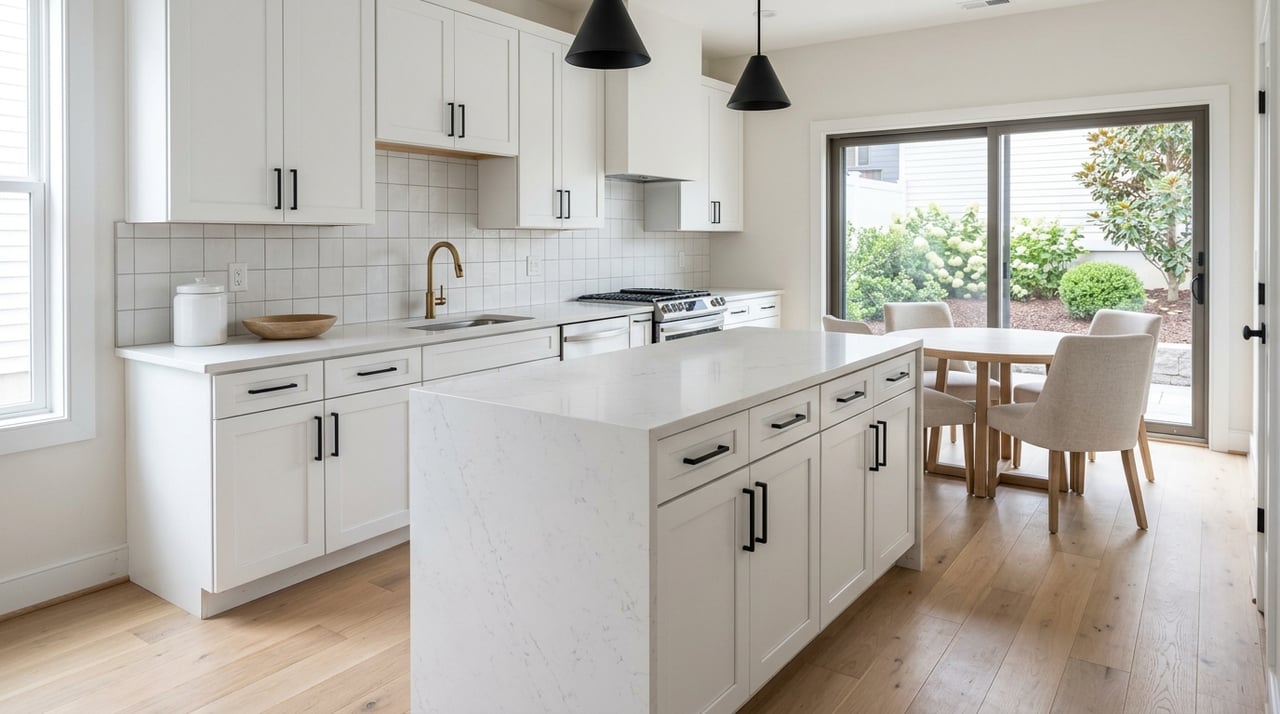
The NAR consumer guide to marketing your home recommends cleaning windows, carpets, lighting fixtures, and walls before photography and showings. Those tasks may sound basic, but they can dramatically improve how bright and well-kept your home looks.
Pay close attention to:
- Window glass and blinds
- Baseboards and trim
- Light fixtures and ceiling fans
- Bathroom mirrors and shower glass
- Kitchen backsplash and appliance fronts
- High-traffic flooring
Clean homes photograph better, show better, and signal that the property has been cared for.
Handle small repairs early
Minor wear that feels normal to you can stand out to buyers. A scuffed wall, loose handle, squeaky door, or chipped trim may seem small on its own, but together they can make a home feel less polished.
Aim to finish light repairs about a week before listing photos. Based on the guidance in the NAR consumer marketing guide, it is smart to address visible wear before your home goes live.
A short pre-listing repair list might include:
- Touch-up paint on walls and trim
- Tightening cabinet hardware
- Replacing burned-out bulbs
- Fixing sticking doors or drawers
- Refreshing caulk where needed
- Repairing loose fencing or gate latches
Check moisture and humidity
Moisture issues deserve special attention because they affect both appearance and buyer confidence. Bathrooms, kitchens, laundry areas, under-sink plumbing, and windows with condensation are all worth checking before photos and showings.
The EPA’s guidance on mold and moisture recommends fixing leaks quickly, drying damp materials within 24 to 48 hours, and keeping indoor humidity below 60% if possible. Fans, air conditioning, and dehumidifiers can all help if your home feels damp.
Even if the issue is minor, taking care of it before listing can help your home feel fresher, cleaner, and better maintained.
Highlight Mill Quarter features
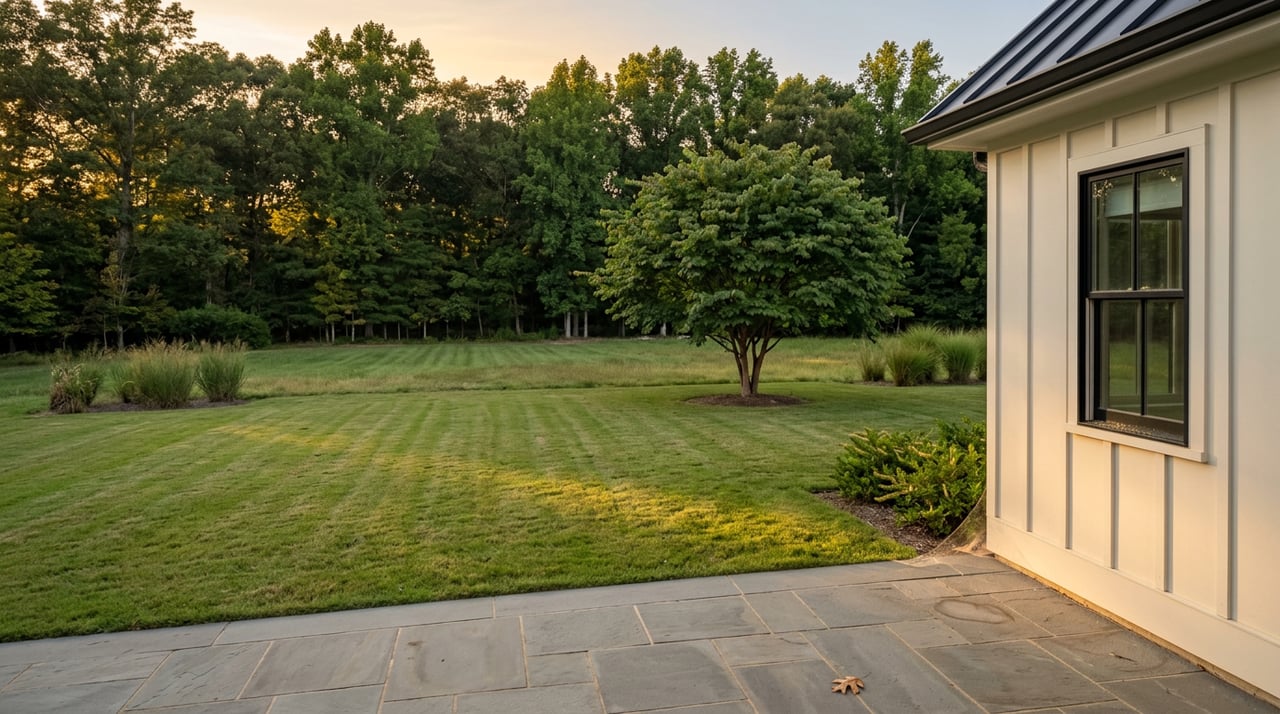
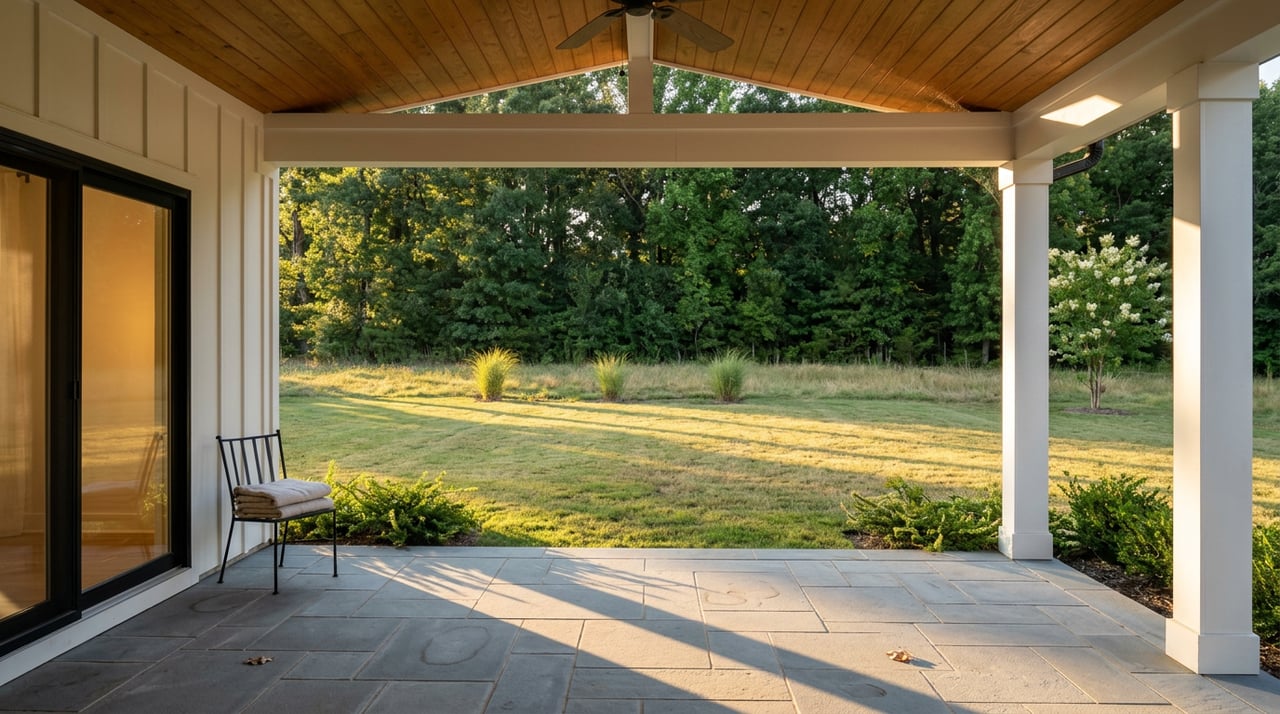
In Mill Quarter, outdoor and location-driven details can help a listing stand out. Current and past listing descriptions in the neighborhood point to buyer appeal around lake or pond views, fenced patios or backyards, decks, mature trees, and a sense of openness.
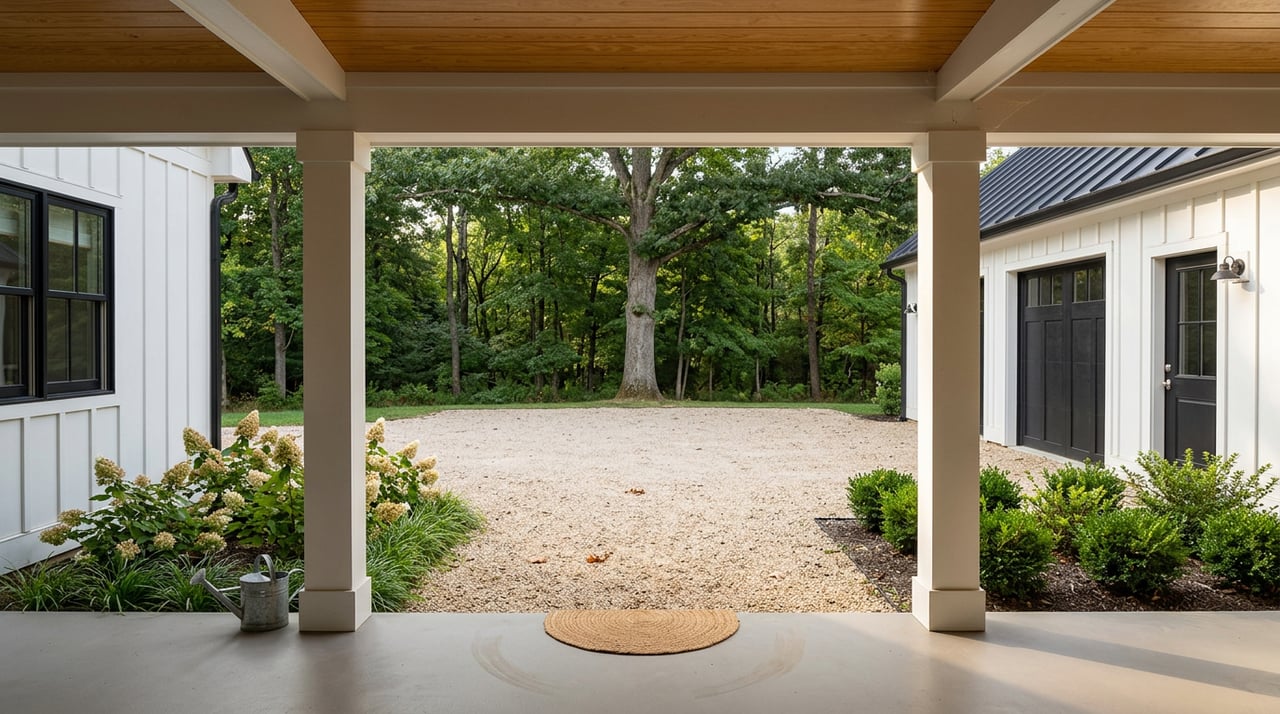
That means your exterior prep matters just as much as your interior editing. If your home has a patio, deck, storage area, or a view toward greenery or water, make sure those spaces are cleaned up and easy to photograph.
Patio and exterior checklist
- Remove hoses, bins, and unused planters
- Limit patio furniture to a few purposeful pieces
- Sweep decks, patios, and entry areas
- Trim back overgrowth where possible
- Clean visible storage doors or fencing
- Open sightlines to trees, pond, or lake views
For attached homes, these small exterior choices can make the property feel more open and better cared for.
Follow a simple timeline
A clear timeline makes listing prep feel manageable. Based on the research, here is a practical way to pace the work.
Two to three weeks before launch
Start packing nonessentials, donating bulky items, and removing anything you do not need for the next month. If you have large items to dispose of, review Chesapeake bulk waste pickup rules, which require requests by phone, online, or app no later than the weekday before your normal collection day.
One week before launch
Finish small repairs, address moisture concerns, touch up paint, and tidy outdoor areas. This is also a good time to verify any HOA-related rules directly if you are planning exterior changes, bulk-item placement, or need clarity on parking for showings.
Twenty-four to forty-eight hours before photos
Stage the main rooms, clear bathroom counters, open blinds, turn on lights, and remove visual distractions. NAR’s listing photo tips also recommend keeping televisions out of frame, closing toilet lids, cleaning light fixtures, and avoiding cars in the driveway when possible.
Plan for strong marketing
Once your home is listing-ready, presentation should carry through every step of the launch. The NAR consumer guide notes that marketing can include professional photography, social media, signage, open houses, and competitive pricing.
For a townhome, visuals are especially important because buyers want to understand how rooms connect and how the home lives day to day. That is why strong listing marketing often includes professional photos, a floor plan, and a virtual tour. NAR notes that floor plans are one of the most requested visual assets after listing photos.
Timing matters too. NAR also suggests that the first open house often performs best when it is scheduled for the weekend after launch, which is another reason to have the home fully ready before it goes live.
Pricing and presentation work together
Even the best photos cannot overcome unrealistic pricing. The NAR consumer guide emphasizes competitive pricing as part of effective home marketing.
In a neighborhood like Mill Quarter, where buyers may compare several townhomes with similar layouts, pricing and presentation should support each other. A clean, updated, photo-ready home gives your pricing strategy credibility and can help your home compete more effectively from day one.
Make your move feel easier
Selling a home you still live in can feel overwhelming, especially when every drawer, shelf, and patio corner suddenly seems important. The good news is that you do not need a full renovation to make a strong impression. In many Mill Quarter townhomes, a thoughtful plan centered on decluttering, cleaning, repairs, and photo-ready staging can go a long way.
If you are thinking about selling and want a more tailored strategy for your home, Susan Stynes offers a high-touch, marketing-focused approach designed to help you move from lived-in to listing-ready with confidence.
FAQs
What should I fix before listing a Mill Quarter townhome?
- Focus on visible, high-impact items like paint touch-ups, loose hardware, sticking doors or drawers, worn caulk, lighting issues, and any signs of moisture or leaks.
How important is staging for a Chesapeake townhome sale?
- Staging matters because NAR reports that 83% of buyers’ agents said staging made it easier for buyers to visualize a property as a future home.
What rooms matter most when preparing a Mill Quarter home for photos?
- Start with the living room, primary bedroom, and dining area, since these are the rooms most commonly staged according to NAR.
How early should I start decluttering before listing in Mill Quarter?
- A good rule is to begin 2 to 3 weeks before launch so you have time to pack nonessentials, donate bulky items, and schedule bulk pickup if needed.
What outdoor areas should I prepare for a Mill Quarter listing?
- Prioritize the front entry, patio, deck, fencing, and any views toward water, trees, or open green space because these features can add strong visual appeal in photos.