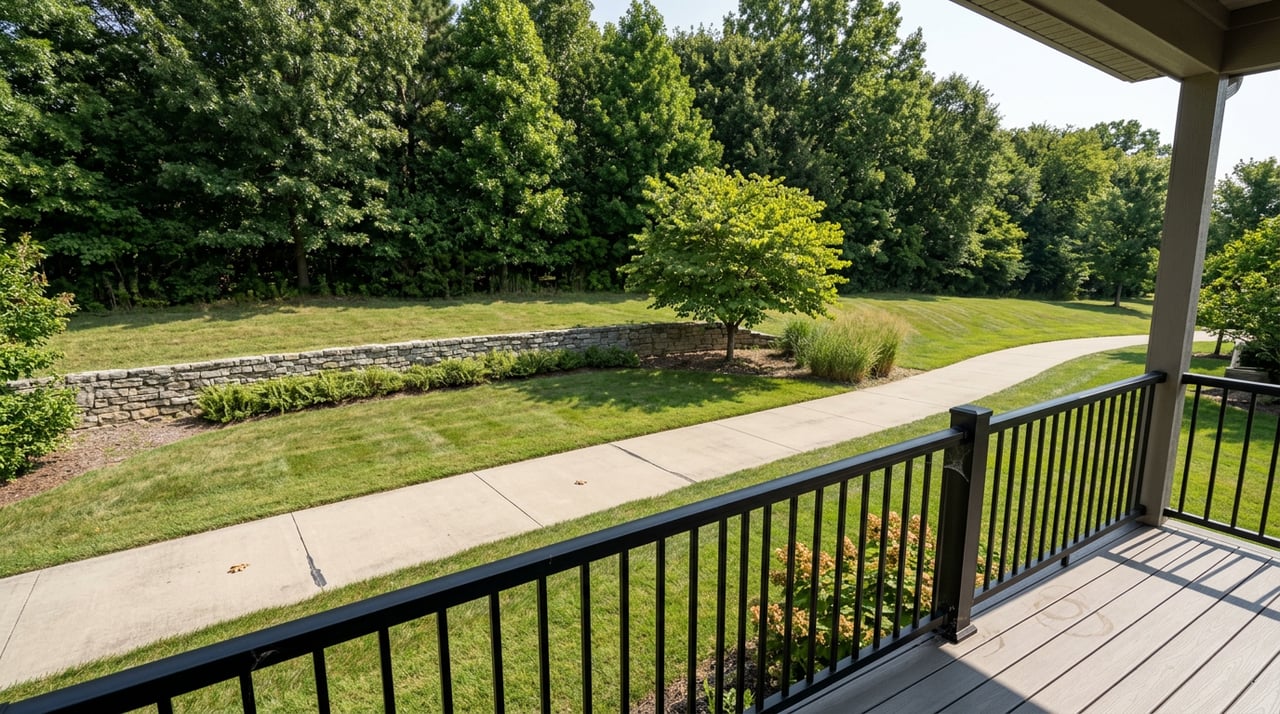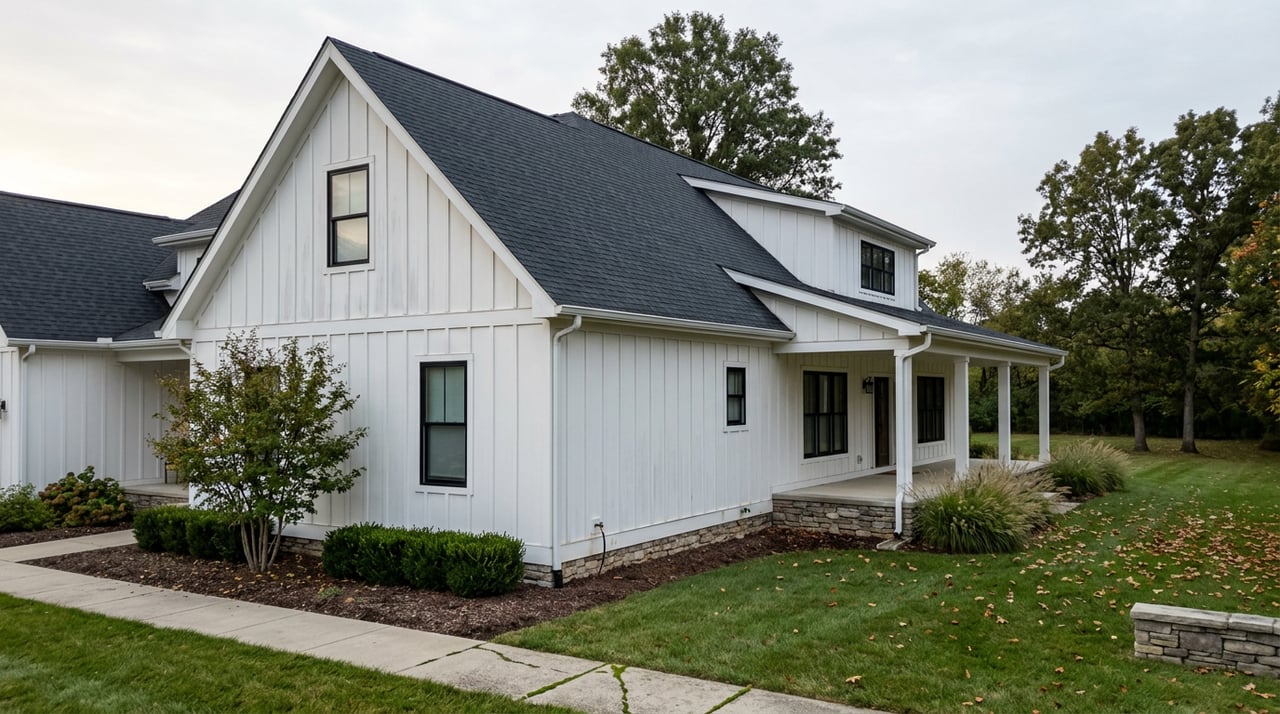
A seller in Powhatan lists a four-bedroom house on five wooded acres off Anderson Highway. The listing photos show four bedrooms with doors and closets, because that is what the floor plan has always been. Then the septic inspector pulls the health department file and finds the system was permitted decades ago for three bedrooms, not four. Nothing about the house changed. What changed is that this fact, buried in a county file cabinet since the original building permit, now has to be dealt with before the sale can close cleanly.
That gap between what a house looks like and what its septic permit says it is has always existed in Powhatan. What changed in 2025 is that Virginia rewrote the rules for who can inspect a septic system, what that inspection has to include, and what the resulting report is allowed to say. For a county where most homes were never going to connect to a municipal sewer line in the first place, that rewrite matters more here than almost anywhere else in the Richmond metro.
Most of Powhatan Was Never Going to Have City Sewer
Powhatan County runs two wastewater treatment plants, and between them they cover a narrow slice of the county's 272 square miles. Fighting Creek serves the Courthouse area and a portion of the Route 60 corridor, and it is designed to treat 100,000 gallons of wastewater a day. Dutoy Creek picks up from the Powhatan and Chesterfield county line along Route 60 out to Flat Rock, designed for 250,000 gallons a day. Outside those two service areas, county sewer simply is not an option.
Water tells a similar story with a couple of private exceptions layered in. Aqua-Virginia, a privately owned water utility, serves some of the county's main arteries, the Courthouse area, and portions of Route 60. The Founder's Bridge Utility Company, also privately owned, supplies water to the Founder's Bridge, Bel Crest, and Bel Bridge neighborhoods along with Independence Golf Course and Winterfield Place. Those are water connections, though. None of that changes how wastewater leaves those same houses, which for most of the county still means a septic tank and drain field on the property itself.
This isn't a temporary gap waiting on a pipe extension. Since 2000, most new residential development in Powhatan has gone into large-lot subdivisions built on five-acre parcels, largely because county land use policy has steered growth away from dense infill and toward the kind of lot sizes that pair naturally with private well and septic rather than municipal hookups. A subdivision built in 2015 is just as likely to be on septic as a farmhouse built in 1975. The system in the yard is not a relic. It is the standard.
The Rule That Ties Bedroom Count to a Health Department File
Here is where the septic permit stops being a maintenance detail and starts being a marketing constraint. Septic systems in Virginia are permitted for a specific design capacity, expressed in gallons per day or as an approved bedroom count, and that number is what governs how the property can legally be represented in a sale. Regional MLS rules built around this state framework prohibit a listing from stating a bedroom count higher than the design capacity documented in the septic system's operating permit. An agent also cannot suggest a room could function as a bedroom if doing so would push the home past its permitted capacity.
That means the number that actually caps a Powhatan home's advertised size isn't the floor plan. It's a figure on file at the local health department, sometimes set thirty or forty years before the current owner ever saw the property. Records are available on request at the Local Health Department, but plenty of owners never think to check until an inspector or an agent asks.
The 2025 legislative overhaul reinforced this link instead of loosening it. Inspectors performing a septic evaluation in connection with a real estate transaction are now required to report the system's size or design capacity in gallons per day or bedroom count, based on local health department records, and if those records aren't available, to provide recommendations for determining capacity. The number has to show up in writing, in a report that follows the buyer or the file to the closing table.
What Changed on July 1, 2025
House Bill 2671 took effect that date and rewrote the mechanics of a septic inspection statewide. A few pieces of it stand out for anyone selling or buying in Powhatan:
- Only individuals holding a valid Virginia license as an onsite sewage system operator, installer, or soil evaluator may perform a septic inspection connected to a real estate transaction or a refinancing.
- Before any work begins, the inspector must provide a signed, written contract describing the scope of services and cost, and stating that a complete inspection requires pumping the tank. If the client declines pumping, that decision has to be documented in writing.
- The inspector delivers a written report within 10 business days, identifying every component inspected, noting anything not inspected and why, and documenting any adverse conditions.
- The report can no longer issue a pass or fail grade or any kind of graded assessment. It describes the system's condition. Interpreting that description is left to the buyer, the seller, and their agents.
- Hydraulic load testing to simulate peak daily flow is no longer permitted as part of the inspection.
The industry group that represents onsite sewage professionals in Virginia has been direct about what this means in practice: a walk-over inspection with some probing of the drain field, the kind that used to satisfy most sellers, no longer meets the law's minimum standard. That option has largely disappeared from real estate contracts written since the law took effect. For years, a septic certificate could mean someone walked the yard looking for surface effluent and called it good. Now it means a licensed operator has pumped the tank, checked the baffles and the distribution box, and put findings in writing within a set window.
What This Means If You're Timing a Powhatan Listing
None of this changes the baseline fact that Virginia does not require a septic inspection simply to sell a house. What it changes is what happens once an inspection is requested, which in practice means most transactions involving a lender, since the standard purchase contract's paragraph 17(b) still requires the seller to deliver a certificate, dated within 30 days of settlement, stating there is no evidence of malfunction or needed maintenance. That certificate requirement was already in the contract. What's different now is that a full evaluation behind that certificate takes longer and costs more to produce than the old walk-over did, because it usually means scheduling a pump-out alongside the inspection, then waiting up to 10 business days for the written report.
That timeline creates a real scheduling problem if it isn't planned for. The 30-day certificate window is measured from settlement, not from listing, so an inspection ordered too early can age out before closing actually happens. Sellers who order the evaluation, get their documentation in order, and address anything that needs attention before the home goes on the market are working from a position of choice. Sellers who wait until a buyer's inspection contingency forces the issue are working against a clock that already has 10 business days built into it, on top of whatever repair time a finding requires.
The stakes justify the planning. A failing septic system in Central Virginia can run anywhere from about $8,000 to $40,000 to repair or replace, depending on soil conditions, system type, and property size, and Powhatan's soil varies enough across the county that the cost of a fix is genuinely property specific. Local septic professionals generally recommend a system inspection every three years, with annual checks for systems that rely on electrical float switches, pumps, or other mechanical components, so a seller who has kept up with that schedule walks into this process with a real advantage over one who hasn't.
A Market Small Enough That One Report Can Move the Price
Countywide, the average home value stood at $502,404 as of May 2026, up 3.4 percent over the prior year. Within the town itself, homes listed in August 2026 carried a median price of $587,000 and spent a median of 41 days on the market before going under contract. Those numbers describe a market that trades in a handful of closings a month, not a subdivision with a steady drip of comparable sales.
In a market that thin, there are fewer directly comparable recent sales to anchor a buyer's sense of what a given house is worth, which means property specific facts carry more weight in negotiation than they would somewhere with a deeper pool of recent comps. A documented septic capacity that matches the advertised bedroom count, a recent pump-out receipt, and a clean written report under the new inspection standard are not paperwork for its own sake here. They are part of what convinces a buyer the price reflects the house they're actually getting, in a market where there isn't a wall of similar recent sales to do that convincing for you.
A Few Straight Answers
Does every home sale in Powhatan require a septic inspection? No. Virginia law does not mandate one for the sale itself. It applies once an inspection is requested by a buyer, lender, or agent, and the standard purchase contract's paragraph 17(b) still calls for a seller-provided certificate dated within 30 days of settlement.
What if my septic system is only approved for fewer bedrooms than my house has? The county health department holds the permit record, and it's worth checking before you list. A lower design capacity doesn't necessarily stop a sale, but it can affect how the home is marketed and how a lender views the property.
Does any of this apply to my well, too? Wells and septic systems are evaluated separately, though loan programs that require septic evaluation, including VA and USDA loans, generally also require a water quality test for bacteria, nitrates, and nitrites. The two systems are often reviewed together because health departments set minimum separation distances between a well and a septic tank or drain field, commonly in the range of 50 to 100 feet depending on the jurisdiction.
If you're weighing a sale in Powhatan and want to know exactly what your property's septic history says before a buyer's inspector finds it first, that's a conversation worth having early. River City Elite Properties works this market from the ground up, permit records and all. Schedule Your Listening Appointment and we'll walk through what your specific property's paperwork says before it becomes someone else's negotiating point.