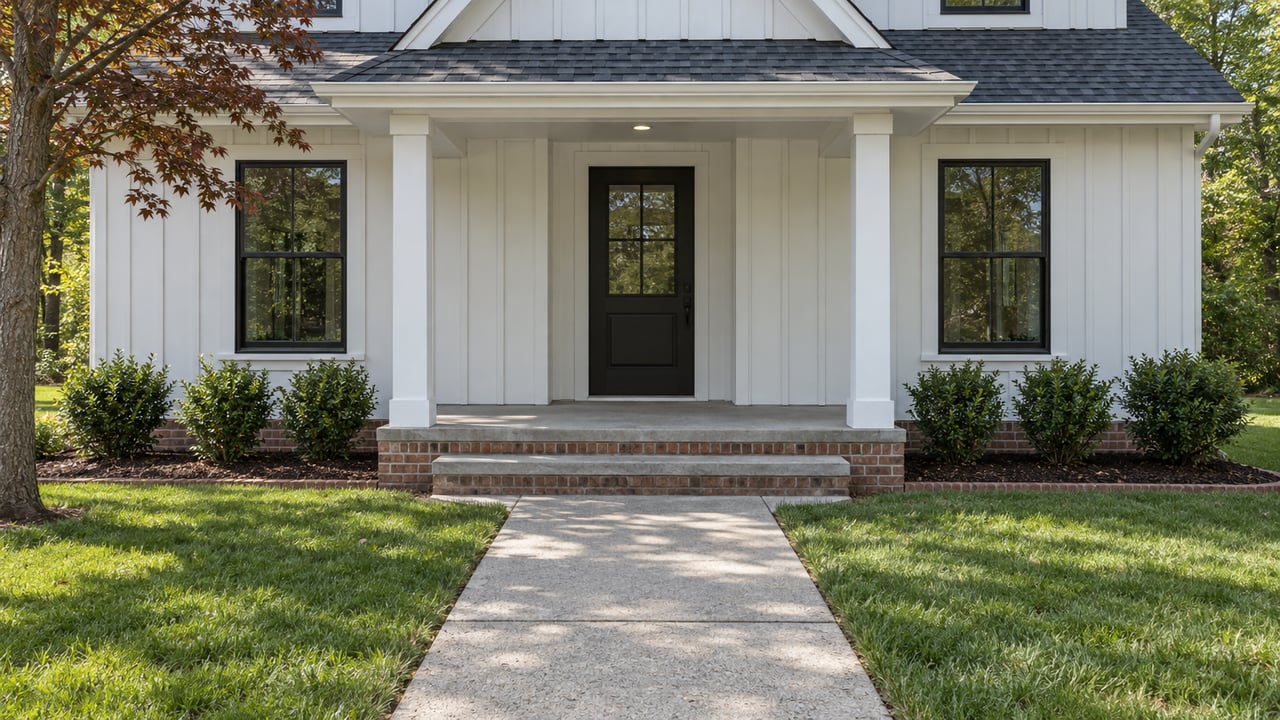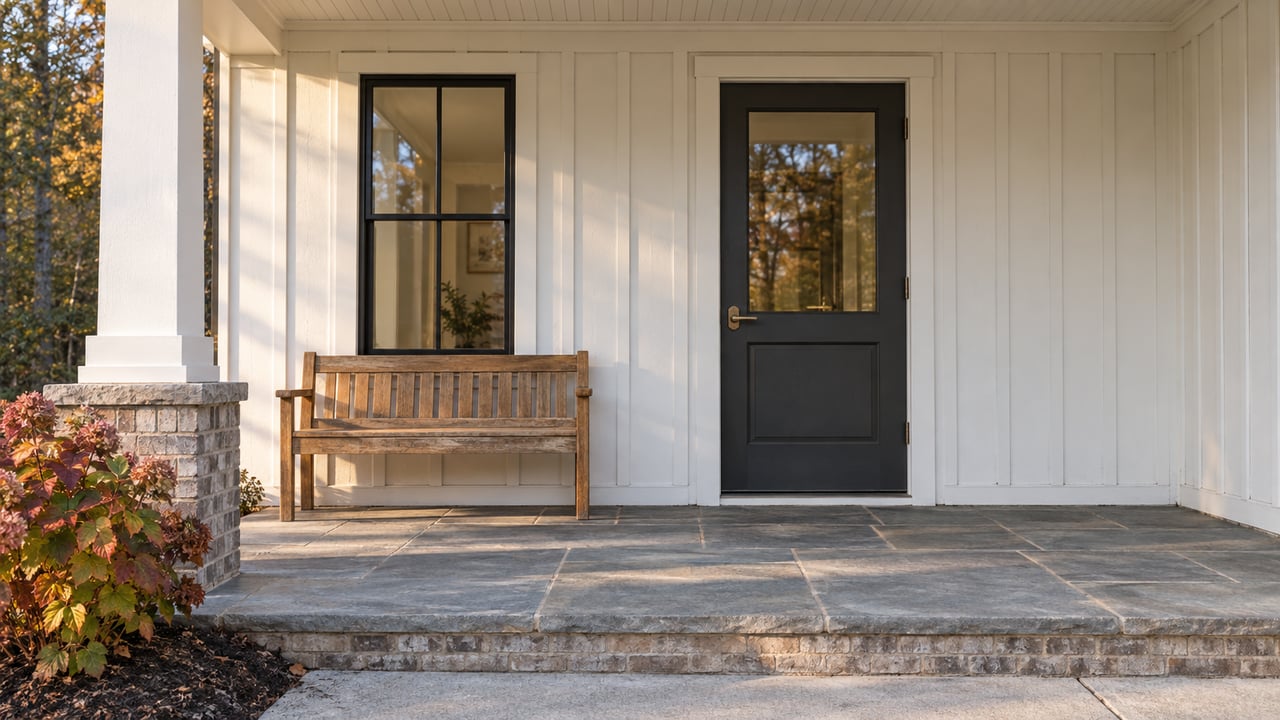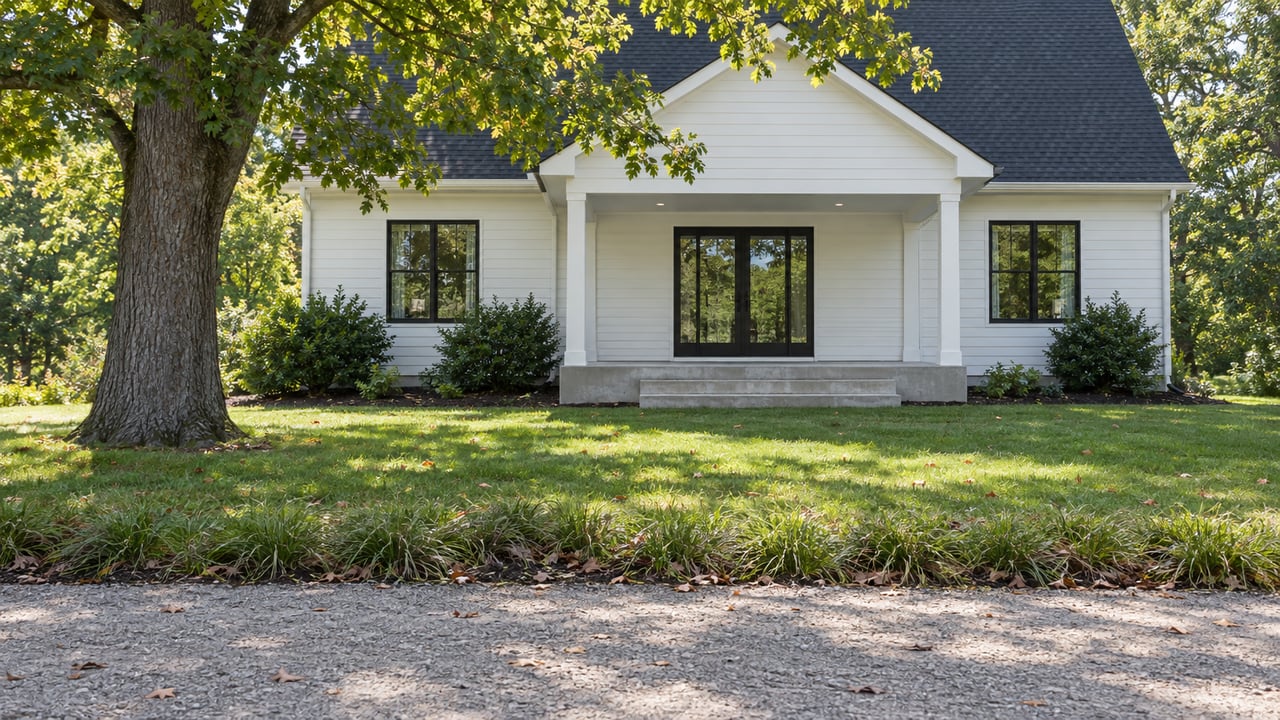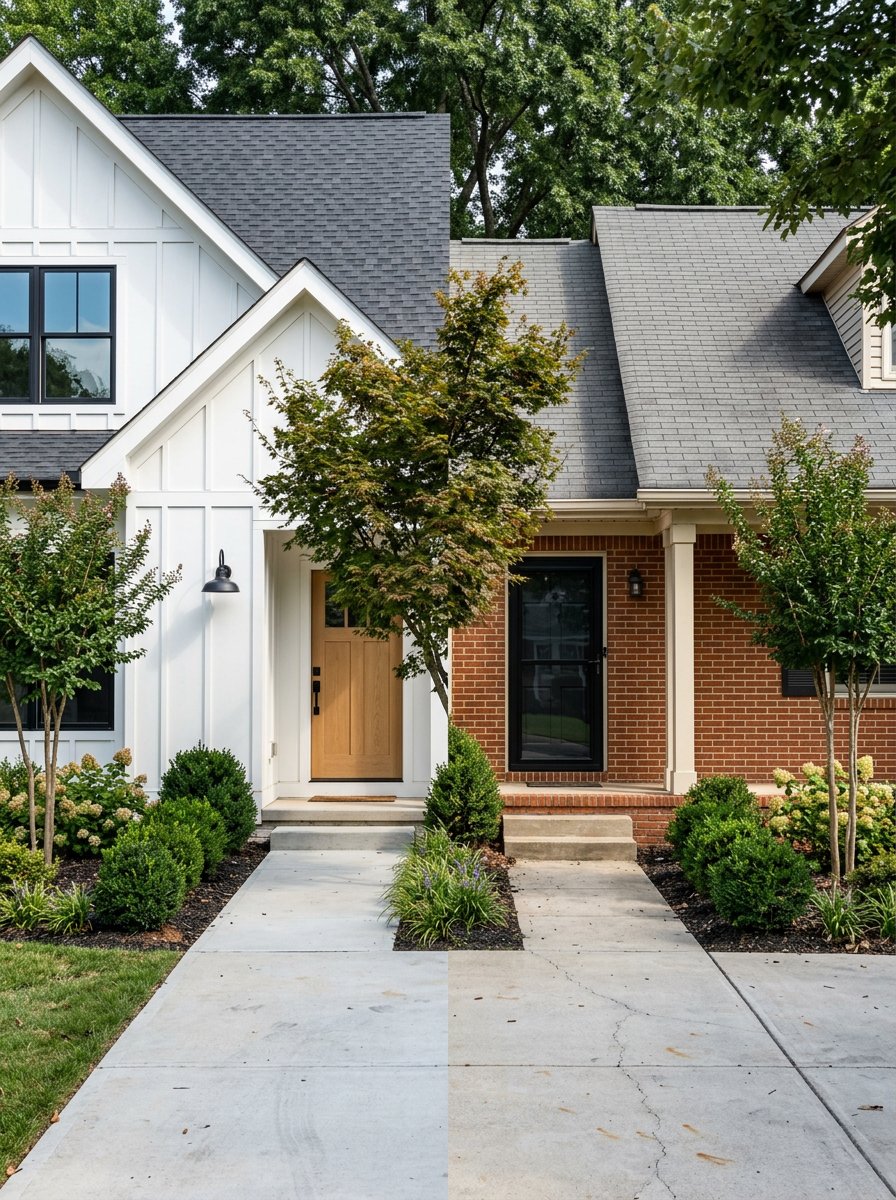
Trying to decide between a brand-new RounTrey build or a well-kept resale nearby in 23112? You are not alone. Both paths can work beautifully, but the right choice comes down to budget, timing, and how much customization you want. This guide walks you through local costs, build timelines, inspections and warranties, HOA dues, and practical tradeoffs so you can choose with confidence. Let’s dive in.
RounTrey at a glance
Set along Swift Creek Reservoir, RounTrey is a master-planned community that highlights waterfront living, multiple sub-neighborhoods, and resort-style amenities like pools with a water slide, a fitness center, tennis courts, and trails. You will find a mix of custom and production builders plus opportunities for personalized floor plans and premium lots. Explore the community overview and builder mix on the official RounTrey site.
For budgeting, the RounTrey Community Association’s 2026 annual assessment is $1,200, billed $300 per quarter. Always verify dues and inclusions before you purchase, since HOA budgets can change year to year. You can confirm current figures on the RounTrey Community Association page.
RounTrey is in Chesterfield County Public Schools. Recent listings in this area have shown common assignments that include Old Hundred Elementary, Tomahawk Creek or Midlothian for middle school depending on the specific lot, and Midlothian High. School boundaries can shift, so confirm any address using Chesterfield’s Find My School guidance.
Property taxes also shape your monthly cost. Chesterfield County’s FY2026 planning materials show a real-estate tax rate of $0.89 per $100 of assessed value. Use the county’s adopted rate and your property’s assessed value for an estimate and ask about any special assessments for the specific lot you are considering. You can review the current budget information on the county’s site here.
Cost basics: new vs. resale in 23112
Resale pricing in 23112 provides a useful baseline. Realtor.com reported a median listing price around $429,000 for the December 2025 period at the ZIP level. In contrast, RounTrey’s new-home base prices vary by sub-neighborhood and builder, with the community showing product lines that start in the upper $300Ks in sections like NewMarket Village and other areas starting in the mid $600Ks and higher. Confirm any current base prices and incentives with each builder and the MLS.
Upfront purchase price and inventory
- Resale gives you an immediate, as-is price with visible features and finishes. You can compare turnkey homes across the broader 23112 market.
- New construction in RounTrey lists a base price for a plan and lot type. Final pricing typically rises with lot premiums and design selections. You may also see quick-move-in spec homes priced closer to completion that can reduce your timeline.
Lot premiums, design upgrades, and allowances
For new builds, the base price rarely tells the full story. Premium lots, kitchen and bath upgrades, flooring, extra rooms, and landscaping can add up quickly. Many builders use allowances or design credits that cover standard materials, then price upgrades à la carte. Ask the sales rep for an itemized allowances schedule and a sample design-center price list to gauge how choices affect the bottom line. For a clear overview of selection stages and where costs tend to rise, review this consumer-friendly new-construction process guide.
Closing costs, incentives, and financing differences
Builders often offer incentives through preferred lenders, including rate buydowns, closing-cost credits, or design-center credits. These can be valuable, but always compare the net benefit against independent loan offers. Confirm the rate-lock period and its cost, especially if your home is not finished. Many finished or near-finished homes can close on typical 45 to 60 day locks, while longer locks for build-to-order homes usually cost extra. The builder process guide above explains how financing and incentives typically work.
Carrying costs until move-in
Resale usually means you can move soon after closing, which reduces duplicate housing costs. New construction that is built to order requires patience and a plan for rent, storage, or temporary housing until your certificate of occupancy is issued. If you are rate sensitive, factor extended rate-lock fees into the budget.
Ongoing costs: HOA dues and taxes
- HOA: RounTrey’s 2026 dues are $1,200 annually billed quarterly. Confirm what is covered and any initiation or transfer fees prior to contract. Check the current figure on the HOA dues page.
- Taxes: Use Chesterfield County’s current adopted rate, shown as $0.89 per $100 of the assessed value in FY2026 planning documents, to estimate your annual property tax. Review details in the county’s budget materials and verify any special assessments.
Quick side-by-side snapshot
| Category | New Construction in RounTrey | Resale in 23112 |
|---|---|---|
| What you pay up front | Base price plus lot premium and design selections. Incentives may offset some closing costs with a preferred lender. | Contract price often near market comps. Closing costs can be negotiated depending on market conditions. |
| What you pay later | Potential change orders, landscaping, window treatments, and after-market additions. | Immediate repairs or updates, plus any systems nearing end of life. |
| Timeline to move-in | Spec homes can close sooner. Build-to-order often follows an 8 to 11 month build cycle on average. | Typically faster since the home is finished. Move-in often aligns with standard lending timelines. |
| Inspections and warranties | County code inspections plus builder quality control. Independent pre-drywall and final inspections recommended. New-home warranties apply. | Standard home inspection and any specialized inspections. Limited warranty protection unless a policy is provided by the seller. |
Note: Always verify current builder base prices, incentives, HOA dues, and your lender’s rate-lock terms before you sign.
Timeline and process differences
How a new build typically unfolds
Most new-home purchases follow a defined sequence: reserve a lot or model, sign the builder contract, complete design-center selections, then proceed through foundation, framing, mechanical rough-ins, and finishes. Municipal inspections occur at defined stages. You will have a pre-drywall walkthrough and a final walk with a punch list before closing.
- Production or spec homes can close sooner, sometimes within 30 to 90 days if already completed.
- Build-to-order timelines vary based on plan complexity, weather, and permitting. National data shows typical single-family builds often average around 8 to 11 months from permit to completion. You can read more about average build times in consumer summaries like this overview of build durations.
Within Chesterfield County, inspectors enforce the Virginia Uniform Statewide Building Code. The county has an automated scheduling system, and inspections are independent from a builder’s internal checklists. Ask your builder for permit numbers and the anticipated inspection sequence. Learn more on Chesterfield’s residential construction page.
What changes with resale
Resale simplifies the path. The home already exists, so you are focusing on inspections, appraisal, and financing rather than construction milestones. Timelines depend on your loan type and any negotiated repairs, but in most cases you can plan for a considerably faster move than a ground-up build.
Inspections, warranties, and legal protections
Virginia warranties on new homes
Virginia law includes an implied warranty in every sale of a new dwelling that the home is built in a workmanlike manner and free from structural defects. Many builders pair this with an express warranty program or a third-party structural policy that may be described as 1-2-10 coverage. Always request the full warranty booklet in writing and ask whether any structural warranty is third-party insured and transferable. For an accessible legal explainer, review this guide to Virginia’s implied warranty on new homes.
Independent inspections you should schedule
Even with new construction, plan independent inspections at key stages. Common recommendations include pre-pour or foundation where possible, a pre-drywall or rough-in inspection, a detailed final inspection, and an 11-month warranty inspection to catch issues before the workmanship window closes. If a builder limits independent inspections or imposes unusual insurance hurdles, raise that promptly with your buyer’s agent and lender. See typical stages outlined by a Virginia-area inspection resource here.
Permits, inspectors, and contractor licensing
Besides county inspections, protect yourself by confirming your builder’s licensing and complaint history with Virginia’s Department of Professional and Occupational Regulation. You can search contractors on the DPOR site here. Keep written records of contracts, addenda, and punch lists in case you need to document warranty claims later.
Pros and cons to weigh
New construction pros
- Modern layouts and energy-efficient systems.
- New-home warranties for workmanship, systems, and structure.
- Ability to personalize finishes and features.
- Access to RounTrey’s resort-style amenities and premium lots that edge the reservoir. Learn more on the community site.
New construction cons
- Longer wait if you build to order.
- Design-center selections and lot premiums can push pricing higher than the base.
- Hidden defects can surface post-move even with inspections.
- Appraisal risk if heavy upgrades outpace nearby comps. Confirm with your lender before selecting expensive non-standard options. A helpful overview of these financing considerations is in this new-home buying guide.
Resale pros
- Faster occupancy.
- Negotiation flexibility on price and timing depending on market conditions.
- Mature landscaping and the ability to evaluate the home’s lived-in performance, including utility usage and wear.
Resale cons
- Potential near-term repairs or modernization costs.
- Older systems or lower energy performance compared with current code builds unless recently updated.
- Limited warranty protection unless the seller provides a policy.
Quick checklists to start
If you are building new in RounTrey
- Ask the on-site rep for a sample builder contract, full warranty booklet, and a written list of included features, allowances, and upgrade pricing.
- Confirm current HOA dues and what they include using the HOA dues page.
- Request permit numbers and the anticipated Chesterfield inspection sequence, and review the county’s residential inspections page.
- Schedule independent pre-drywall and final inspections, plus an 11-month warranty inspection. See recommended stages here.
- Verify your builder’s license on DPOR Contractors Board.
- Get Loan Estimates from more than one lender, confirm rate-lock length and cost, and review how upgrades will be treated by the appraiser and underwriter.
- If school assignment matters to your logistics, verify your address with Chesterfield’s Find My School guidance.
If you are buying resale in 23112
- Request seller disclosures, utility history if available, and any recent inspection reports.
- Order a general home inspection and add specialized inspections as needed.
- Compare HOA dues, initiation or transfer fees, and neighborhood amenities if shopping multiple communities. Confirm RounTrey dues on the HOA page.
- Use Chesterfield’s FY2026 planning rate of $0.89 per $100 to estimate taxes and confirm the latest adopted rate in the county budget materials.
- Verify school assignment for the property with Chesterfield’s Find My School guidance.
Which choice fits you best?
Choose new construction in RounTrey if you value personalization, newer systems under warranty, and the ability to select a premium lot and finishes. Make sure your timeline can accommodate an 8 to 11 month build on average for a ground-up home and budget for design selections beyond the base price.
Pick resale if speed to occupancy and cost certainty matter most. You can evaluate real maintenance needs right away and negotiate timing around your move. In both cases, line up independent inspections, verify dues and taxes, and compare multiple loan options.
If you want a side-by-side budget and timeline review tailored to your goals, our boutique team is here to help. Schedule Your Listening Appointment with Susan Stynes to map your best path in RounTrey and the 23112 area.
FAQs
Do I need my own agent at a builder’s sales center in RounTrey?
- Yes. On-site reps work for the builder. A buyer’s agent advocates for you, reviews contract language, and helps negotiate protections and timelines.
Should I order independent inspections on a new build in Chesterfield County?
- Yes. Schedule pre-drywall and final inspections, plus an 11-month warranty inspection to document issues before coverage windows close. See typical stages here.
How long does a new home take to build in 23112?
- Timelines vary by plan and builder, but national data shows many single-family builds average about 8 to 11 months from permit to completion. Read an overview here.
What should I know about warranties on Virginia new homes?
- Virginia law provides an implied warranty on new dwellings. Many builders add a 1-2-10 style program. Ask for the full warranty booklet and whether structural coverage is third-party insured and transferable. Learn more here.
Will design upgrades affect my mortgage or appraisal on a new build?
- They can. Confirm with your lender how upgrades are treated and whether your financed amount covers selected options. If upgrades exceed appraised value, you may need to pay the difference in cash. See financing tips in this guide.
What are the current HOA dues in RounTrey and how are they billed?
- RounTrey’s 2026 annual assessment is $1,200, billed at $300 per quarter. Always verify the latest figure with the association. See details on the HOA dues page.
How do Chesterfield County property taxes impact my monthly payment?
- Use the county’s FY2026 planning rate of $0.89 per $100 of assessed value to estimate annual taxes, then divide by 12 for a monthly figure. Confirm the adopted rate in county budget materials.